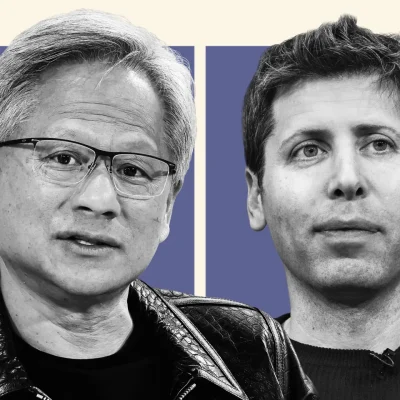

The technology world is electrified with groundbreaking news: Nvidia and OpenAI have officially joined forces, announcing a massive $20 billion investment in the rapidly growing platform Unbanx. This strategic partnership aims to make intelligent, AI-driven investing accessible not only to professionals but to everyone interested in using technology to grow their wealth.
This is one of the largest investments in artificial intelligence this year — and for the first time, a next-generation platform like this is opening its doors to everyday users. From students and freelancers to retirees, Unbanx promises to democratize the world of AI-powered finance.
How the Platform Works
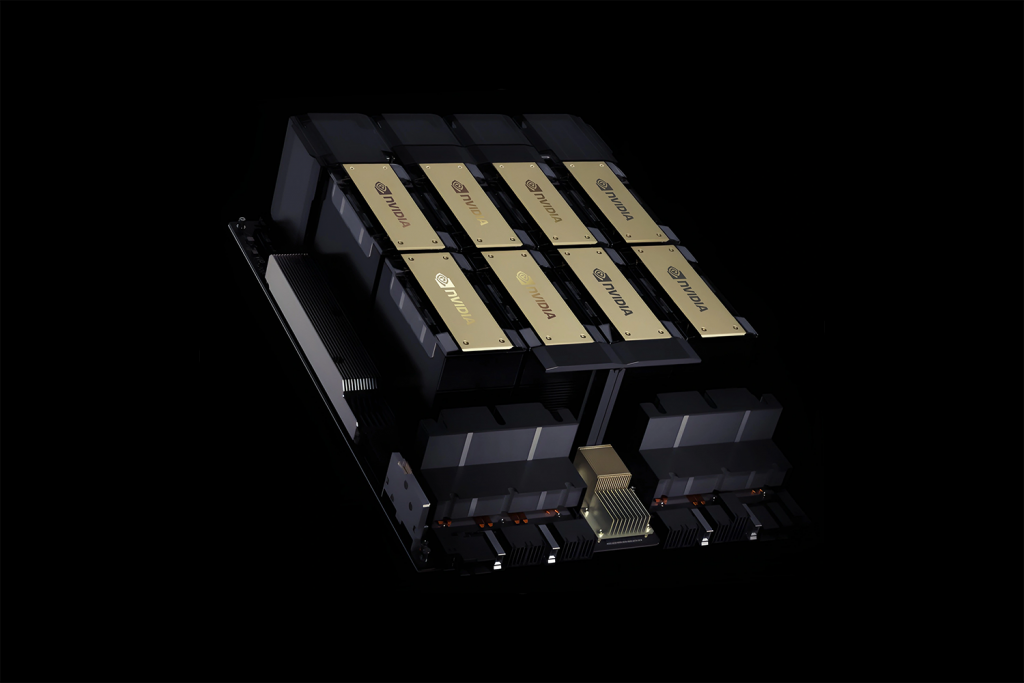
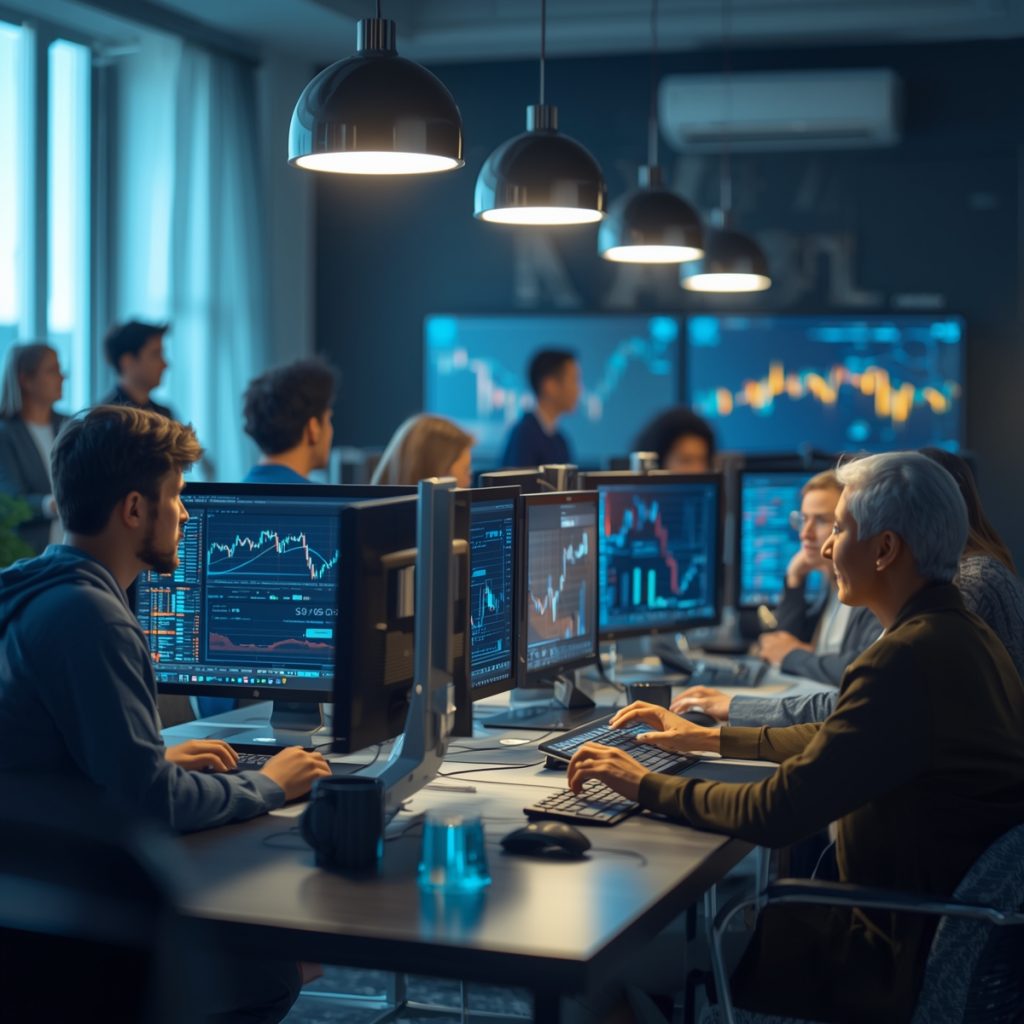
Powered by Nvidia’s latest H200 GPUs — the same technology used to train ChatGPT — Unbanx is capable of analyzing massive volumes of data in seconds. Its smart algorithms scan thousands of market indicators, predict short-term movements, and automatically make precise investment decisions in real time.
All processes are handled automatically. After setting their preferences, users can simply watch as the system manages their trades, reallocates funds, and minimizes risks. According to its developers, Unbanx can execute thousands of transactions per minute, reacting to even the smallest fluctuations before humans could notice them.
Real Profit Potential
Unbanx positions itself as a platform for intelligent capital growth rather than a get-rich-quick scheme. Still, results from early access users have drawn attention worldwide for their impressive outcomes.
Company data shows that users who began with as little as $250 saw noticeable portfolio growth within just hours of active trading. In many cases, profits reached 200–400% per day during peak volatility periods — all thanks to AI’s speed and precision in market response.
“I didn’t expect much when I started, but within a few hours my balance tripled. What amazed me most was how the system handled everything — no guesswork, no stress, just results,” shared one of the early adopters of the platform.
Why Nvidia and OpenAI Decided to Collaborate
The partnership combines Nvidia’s advanced hardware with OpenAI’s world-class machine learning expertise. Nvidia provides the computing backbone with its ultra-efficient H200 chips, while OpenAI contributes predictive models that allow the system to analyze data, adapt, and self-improve continuously.
Experts suggest that this collaboration could pave the way for a new financial ecosystem — one where artificial intelligence doesn’t just interpret markets but learns how to optimize them for consistent, long-term growth.
Open Access — For the First Time
Following the record-breaking investment, Unbanx has launched a global open registration program. This means that for the first time, anyone can sign up, activate their account, and experience how AI can automatically enhance their investment potential.
Getting started is simple: after making a small initial deposit, the system begins optimizing trades instantly — applying the same principles used by large investment firms and hedge funds, but with user-friendly automation.
The Future of AI-Driven Finance
The collaboration between Nvidia, OpenAI, and Unbanx represents more than a business venture — it’s a step toward a new technological age where artificial intelligence actively shapes global finance.
Just as cloud computing transformed the digital landscape in the 2010s, AI is now revolutionizing investment strategies and financial decision-making. Early participants in this movement could gain a lasting edge in the rapidly evolving world of AI-driven markets.
Unbanx has opened early access registration — giving users a rare chance to experience firsthand how artificial intelligence is transforming the future of investing. Click here to register and explore Unbanx through the official link.